


A Power of Attorney (POA) is one of the most important legal tools available which is why a POA is frequently found within a comprehensive estate plan. A POA grants someone you trust the authority to act on your behalf in financial, legal, or healthcare matters, helping to ensure that someone of your choosing steps in to manage your affairs if you become incapacitated. Without a valid POA in place, loved ones may need to go through a court proceeding, which can be both stressful and costly. Unfortunately, however, it is easy to make a mistake when creating a Power of Attorney. To help you avoid making them, an estate planning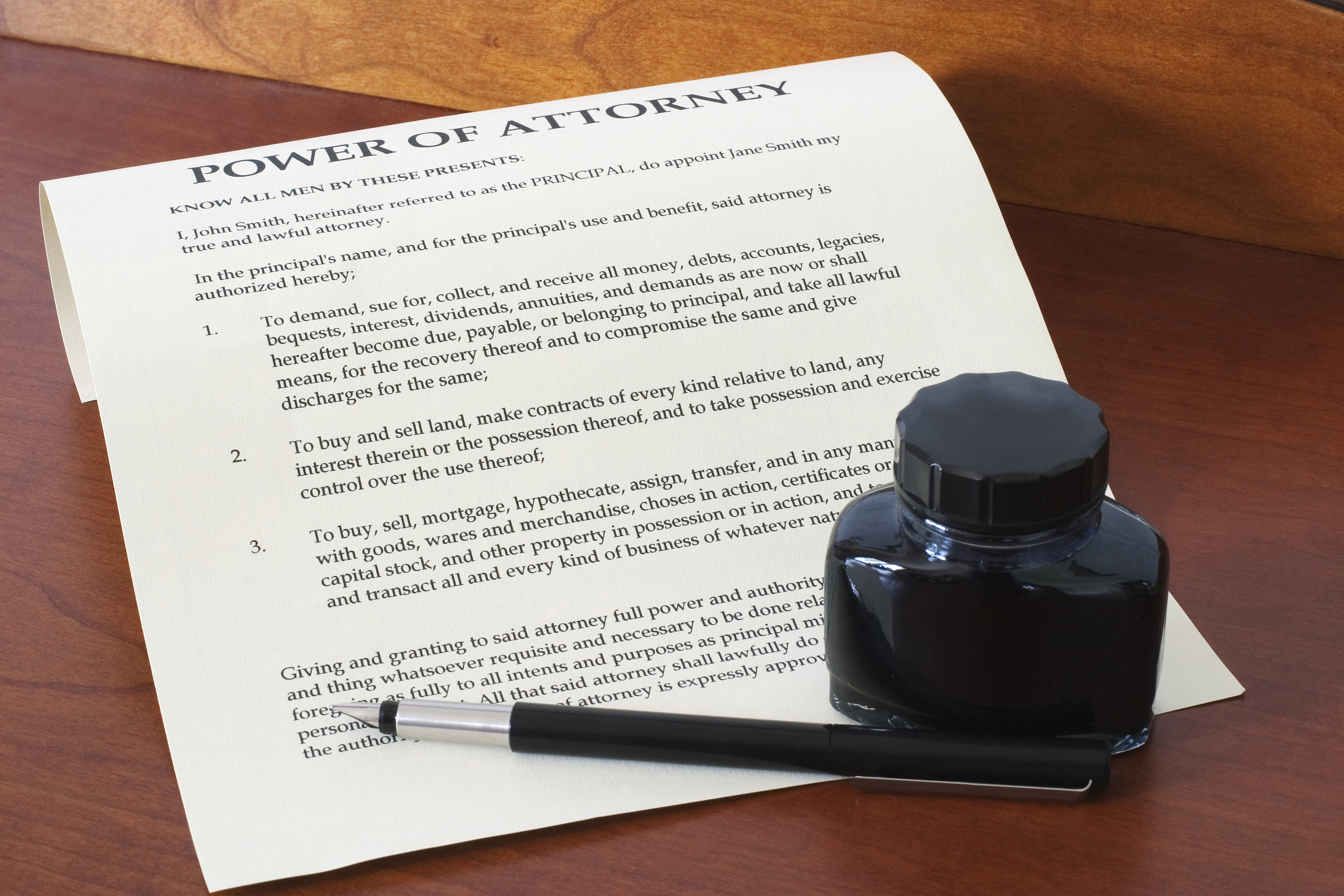 attorney at Bennett | Michael | Hornsby explains five common Power of Attorney mistakes.
- Selecting the Wrong Agent. One of the most serious errors people make when creating a POA is choosing the wrong person to serve as their Agent. People frequently name a spouse, adult child, or close friend without fully considering whether that person is the right fit for the duties and responsibilities involved with the role. For example, your Agent may need to handle bank accounts, real estate transactions, or complex healthcare decisions. If the person you select has poor money management skills, is easily overwhelmed, or is not fully trustworthy, they could cause unintentional (or even intentional) harm to you or your estate. Tennessee law imposes a fiduciary duty on Agents, requiring them to act in your best interest; however, it is up to you to choose an Agent who is capable, dependable, and willing to uphold that duty.
- Using Vague or Incomplete Language. Institutions such as banks and hospitals often require very specific wording in a Poer of Attorney before accepting the authority you intended to grant to your Agent. If your POA uses broad or unclear language, your Agent might be denied access to your accounts or be unable to make time-sensitive decisions that you intended for them to be able to make. For instance, if the POA document does not mention the authority to refinance property, the refinance of your home could be denied or delayed. If your Agent is counting on the funds from that transaction to pay your bills while you are incapacitated, your failure to include clear and concise language could be a huge problem. Ambiguity in your POA can also cause conflict among family members who interpret your wishes differently. To avoid misunderstandings and obstacles, make sure the language you use in your POA is not vague or incomplete.
- Not Specifying When Authority Begins or Ends. When you create a POA it can take effect immediately or at a later time (known as a “springing” Power of Attorney). A springing POA activates only after a certain event occurs, such as a physician declaring you incapacitated. Your Agent’s authority under any POA will continue until you revoke that power unless the POA document clearly states a termination date. If your POA does not clearly define when the Agent’s powers begin or terminate, it may lead to confusion or misuse of authority. For example, your Agent could continue managing your affairs even after you have recovered, simply because there is no clear language indicating when their powers should end. Conversely, the language in a springing POA might be too vague, leaving no one to manage your affairs if your Agent does not realize that he/she should step up and take control.
- Lack of Oversight or Limitations. Some POAs give the Agent expansive powers without including any form of supervision. While you may trust your Agent completely, it is still wise to include safeguards that promote accountability, such as requiring your Agent to provide financial reports to a third party or restricting access to certain assets unless specific conditions are met. These checks and balances can help prevent abuse, especially if there are significant assets involved.
- Not Updating the POA When Life Changes. A POA is not something you create once and forget once it is signed. On the contrary, you should review all POAs when you conduct routine estate plan reviews every three to five years. In addition, life events such as a divorce, the death of a named Agent, or a move to another state should prompt an immediate review of your estate planning documents because an outdated POA may no longer reflect your current relationships or financial circumstances. To avoid problems, revoke any outdated POAs in writing, execute a new one, and distribute copies to the appropriate parties, including your healthcare providers, financial institutions, and family members.
Contact a Murfreesboro Estate Planning Attorney
If you have additional questions or concerns about how to avoid making common Power of Attorney mistakes, contact an experienced Murfreesboro estate planning attorney at Bennett | Michael | Hornsby as soon as possible. Contact the team today by calling 615-898-1560 to schedule your free appointment.

- Creating Your Tennessee Estate Plan in 8 Steps - August 22, 2025
- What You Need to Know: A Guide to Tennessee Drug Laws - August 15, 2025
- The Importance of Reviewing and Updating Beneficiary Designations in Your Tennessee Estate Plan - August 8, 2025