


If you are stopped while operating a motor vehicle and ultimately arrested for driving under the influence (DUI), you will be asked to submit to a chemical breath test when you reach the jail or police station. If you are concerned about the results of that test, you may wonder whether refusing to take the test is a viable option. What you may not realize is that simply getting behind the wheel of a vehicle on a public roadway in the State of Tennessee subjects you to specific legal obligations, including those under the state’s implied consent statute. To ensure that you understand your rights and obligations, a Murfreesboro criminal defense attorney at Bennett | Michael | Hornsby explains the chemical breath test laws in Tennessee.
Routine Traffic Stops and DUI Investigations
Although police must have a legal basis to initiate a stop, the threshold for doing so is relatively low. Even a minor infraction, such as a missing brake light or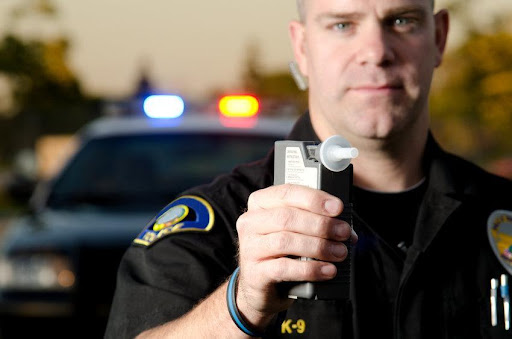 failure to use a turn signal, can be used as a “pretext” to justify pulling over a vehicle. These are known as “pretextual” stops because the officer’s real interest may lie in evaluating the driver for intoxication although the stop itself is justified based on another legal reason. Once a traffic stop occurs, the officer may begin assessing the driver for signs of impairment, such as slurred speech, the smell of alcohol, or erratic behavior that can be used for the probable cause required before an arrest for DUI can take place.
What Happens After a DUI Arrest?
If an officer arrests you for suspected DUI, the next step typically involves requesting a chemical test at the jail or police station. A chemical breath test (commonly referred to as a “breathalyzer”) measures the level of alcohol in your system by evaluating your breath sample. The machine then calculates your Blood Alcohol Concentration (BAC). A BAC of 0.08 percent or higher is considered over the legal limit for adult drivers and may serve as critical evidence in any subsequent criminal prosecution.
While you may wonder why anyone would voluntarily agree to submit to testing, the reality is that consent has already been presumed under the state’s implied consent law. Unfortunately, if a law enforcement officer lawfully arrests you for suspected driving under the influence (DUI), your right to decline a chemical test is limited because refusing to comply with a chemical test request may lead to serious administrative consequences, including a suspension of your driving privileges.
Defining Implied Consent Under Tennessee Law
Governed by Tennessee Code Annotated § 55-10-406, Tennessee’s implied consent statute essentially states that anyone who drives a motor vehicle within the state has legally consented to chemical testing to determine the presence of alcohol, drugs, or a combination of both. Consent applies to blood, breath, or urine tests, and is conditional upon the officer having reasonable grounds to believe the individual has been operating a vehicle while under the influence.
Despite the implied nature of this consent, you cannot be physically compelled to submit to a test, meaning you do retain the right to refuse testing. Declining the test, however, carries legal penalties that are separate from any DUI charge or conviction. The refusal itself is considered a civil offense, and the consequences can be significant.
Penalties for Violating the Tennessee Implied Consent Law
Refusing to take a chemical test after being lawfully arrested for DUI will result in the revocation of your driver’s license for a minimum period of one year, even if you are not ultimately convicted of DUI. The duration of the revocation may be extended under certain circumstances such as:
- A two-year revocation will apply if you have a previous DUI conviction on your record.
- If the incident that led to your arrest involved an accident resulting in serious bodily injury, the revocation period also increases to two years.
- A five-year revocation will be imposed if the crash resulted in a fatality.
These administrative penalties are cumulative, meaning that the implied consent violation is in addition to any revocation period imposed for a DUI conviction itself. For example, if you are convicted of DUI and you refused the chemical test, you could face multiple license suspensions that run consecutively, significantly extending the amount of time you are prohibited from legally driving.
Contact a Murfreesboro DUI Defense Attorney
If you have been charged with DUI or a violation of the Tennessee implied consent law, consult with an experienced Murfreesboro DUI defense attorney at Bennett | Michael | Hornsby as soon as possible to discuss your legal options. Contact the team today by calling 615-898-1560 to schedule your free appointment.

- Creating Your Tennessee Estate Plan in 8 Steps - August 22, 2025
- What You Need to Know: A Guide to Tennessee Drug Laws - August 15, 2025
- The Importance of Reviewing and Updating Beneficiary Designations in Your Tennessee Estate Plan - August 8, 2025